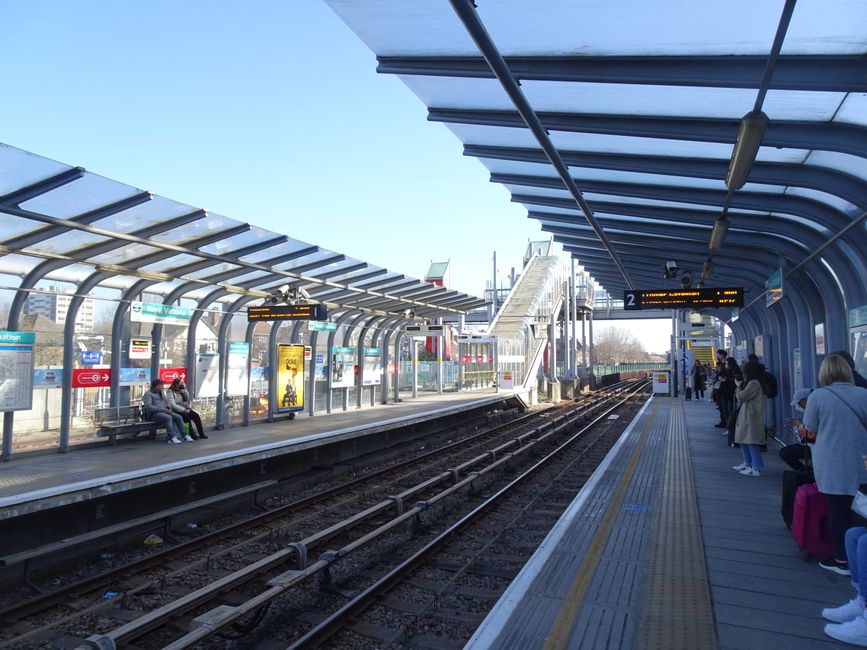
Forest Gate station rubbish collection guide
If you have ever stood near Forest Gate station with a bag of bulky rubbish, a broken chair, or a small mountain of mixed junk and thought, "Right, what now?" - this guide is for you. The Forest Gate station rubbish collection guide below explains how rubbish collection and clearance works around the station area, what to expect, how to stay on the right side of UK waste rules, and how to choose a sensible option without making a mess of your day.
Forest Gate is busy. People are commuting, shops are open, pavements get tight, and nobody wants waste sat outside for long. So the trick is not just removing rubbish - it is removing it properly, quickly, and with as little disruption as possible. Let's keep it practical.
Expert summary: The best rubbish collection plan near Forest Gate station is usually the one that is simple, timed well, and matched to the type of waste you have. Mixed rubbish, furniture, loft clutter, office waste, or builders' debris all need slightly different handling. Get that part right and everything else becomes easier.
Table of Contents
- Why Forest Gate station rubbish collection guide matters
- How Forest Gate station rubbish collection guide works
- Key benefits and practical advantages
- Who this is for and when it makes sense
- Step-by-step guidance
- Expert tips for better results
- Common mistakes to avoid
- Tools, resources and recommendations
- Law, compliance, standards, or best practice
- Options, methods, or comparison table
- Case study or real-world example
- Practical checklist
- Conclusion
- Frequently Asked Questions
Why Forest Gate station rubbish collection guide Matters
Waste near a station behaves differently from waste in a quiet residential street. There is more foot traffic, tighter parking, less patience, and more chance that a small delay turns into a nuisance. If rubbish is left in the wrong place, it can block pavements, attract fly-tipping, create a trip hazard, or simply look dreadful by the time the evening rush starts.
There is also the practical side. Around Forest Gate station, people often need rubbish collected after a flat clearance, a move, a tenancy changeover, a small refurbishment, or a garden tidy-up. These jobs are often time-sensitive. You may be working around train times, building access, neighbours, or a landlord inspection. Not exactly relaxing, is it?
Good rubbish collection matters because it protects your time, keeps the area tidy, and helps you avoid the classic last-minute panic. It also supports responsible disposal. If waste is handled properly, more of it can be sorted, reused, or recycled rather than dumped irresponsibly. For many households and businesses, that part matters just as much as speed.
If your clearance job involves more than a few bin bags, it is worth understanding the difference between general waste, bulky items, furniture, builders' rubble, and specialist waste streams. That is where a structured service such as waste removal becomes much more useful than simply trying to shift everything yourself in one go.
How Forest Gate station rubbish collection guide Works
At a practical level, rubbish collection near Forest Gate station usually follows a straightforward pattern: identify what you need removed, decide how urgently it needs to go, arrange a collection, and make sure the items are ready to be taken away safely. Simple on paper. Slightly less simple when the front room is full of mixed clutter and one of the bags contains old cables, half a lamp, and something nobody can quite identify.
Most collection jobs fall into one of these buckets:
- General household rubbish such as bagged waste, broken household items, and unwanted clutter
- Bulky items like sofas, wardrobes, mattresses, desks, and shelving
- Room clearances after a move, renovation, bereavement, or tenancy end
- Trade or construction debris such as offcuts, packaging, plasterboard, timber, or mixed builders' waste
- Business waste from offices, shops, or service premises close to the station
In a typical collection, the team should assess access, load the waste, separate reusable or recyclable materials where possible, and remove everything in one visit if the job has been described clearly. That is why accurate descriptions help so much. "A few bits and pieces" can mean anything from two bags to a garage full. Better to be a touch over-cautious than to understate the load and end up improvising on the pavement.
For larger clearances, services like home clearance, flat clearance, or house clearance may be more appropriate than a general rubbish pick-up, especially if the property contains furniture, electricals, or mixed household contents.
And if you are dealing with a specific type of item, targeted services often make life easier. For example, old sofas or tables are better handled through furniture disposal or furniture clearance, rather than treating them as ordinary bagged waste.
Key Benefits and Practical Advantages
People usually start looking for rubbish collection near Forest Gate station because they want one thing: relief. But the benefits go beyond that. A good collection service can save you time, reduce stress, and avoid the annoying domino effect that happens when clutter piles up.
- Less disruption - waste is cleared quickly, so your home, office, or building site feels usable again
- Better access - less clutter means easier movement through hallways, stairwells, and small entry points
- Cleaner presentation - helpful if you are selling, letting, or preparing for visitors or inspections
- Safer spaces - fewer trip hazards, sharper edges, and unstable stacks of items
- More responsible disposal - recyclable materials can often be separated and diverted properly
- Less personal stress - you do not have to wrestle with heavy items, loading problems, or vehicle access
One of the most underrated advantages is speed around busy local streets. If you are trying to move a settee down narrow stairs while traffic builds up outside, timing matters. A well-organised collection keeps the whole thing calm. Or at least calmer. No one is saying waste removal becomes glamorous, but it can definitely become less painful.
For works involving renovation debris or rip-out material, a dedicated option such as builders' waste clearance can be the difference between a tidy finish and a lingering pile of bricks, plasterboard, and dust that nobody wants to look at on Monday morning.
Businesses also benefit from having a dependable plan. If your office, shop, or work unit near Forest Gate station needs regular clear-outs, business waste removal helps keep operations moving without waste taking over the place.
Who This Is For and When It Makes Sense
This guide is useful for anyone managing waste near Forest Gate station, but a few groups tend to need it most.
Homeowners and tenants
If you are moving out, moving in, decluttering, or dealing with leftover rubbish after a busy few months, you will probably need a quick, practical clearance plan. Tenancy changeovers are a classic case. Time is tight, rooms echo, and the place always seems smaller once the boxes start multiplying.
Landlords and letting agents
End-of-tenancy rubbish can be unpredictable. Sometimes it is a few bin bags. Sometimes it is an entire flat's worth of forgotten furniture, broken blinds, and items left behind in the loft. A sensible clearance approach prevents delays in re-letting and helps present the property properly.
Tradespeople and small contractors
If you are doing a small renovation, bathroom refit, kitchen strip-out, or internal repair, waste builds quickly. Builders' waste, timber, packaging, and fittings can clog up access. Having a straightforward removal plan helps keep the job moving and the site safer.
Businesses near the station
Offices, retail units, and service-based premises often accumulate old furniture, archive material, packaging, and equipment. For that, office clearance is usually more suitable than trying to piece everything together yourself.
Anyone with awkward, heavy, or mixed items
If your rubbish is not just bagged waste, then it may need a more tailored service. Loft contents, garage clutter, garden waste, and old furniture often fit better into a broader clearance approach. There is no prize for trying to force everything into the same category.
For clutter in the attic or top floor storage, loft clearance can be a better fit. For items hidden in the back of the property, garage clearance may be the smarter route. And if the mess has spread into the garden, you may want garden clearance instead of a general rubbish pick-up.
Step-by-Step Guidance
Here is the cleanest way to handle rubbish collection around Forest Gate station without unnecessary drama.
- Sort the waste first. Separate general rubbish, furniture, electrical items, green waste, building debris, and anything potentially hazardous. You do not need perfect organisation, just enough clarity to describe the job properly.
- Estimate the volume. Think in practical terms: a few bags, a van load, half a room, or a full property clearance. Photos help if you are arranging collection remotely.
- Check access. Is there a lift? Narrow stairs? Limited parking? A permit issue? A collection is much smoother when access details are known in advance.
- Decide on timing. Around the station, off-peak times can reduce disruption. Morning, late afternoon, and commuter windows may affect access and loading. A short delay can feel longer when you are standing beside a pavement with a trolley full of clutter.
- Choose the right collection type. General rubbish, bulky items, office items, or building waste should be matched to the right service.
- Prepare the items. Put small waste into bags, keep loose materials together, and make sure the team can reach what needs removing.
- Confirm what will not be taken. Some items may need specialist handling. It is better to ask than to guess.
- Ask about disposal and recycling. A proper service should be able to explain how items are handled and whether anything can be reused or recycled.
If you are dealing with an end-of-property cleanout, it can also help to review pricing and quotes early, so you are not comparing options in a rush ten minutes before handover.
For jobs where the waste is scattered across several rooms, a full home clearance is often easier than trying to manage separate collections for each room. Truth be told, sometimes the simplest plan is the least glamorous one.
Expert Tips for Better Results
Over time, a few habits make rubbish collection much easier, especially in a busy area like Forest Gate.
- Take photos before booking. A couple of clear pictures can prevent confusion later.
- Keep similar items together. Furniture in one area, bags in another, loose debris in a third. That tiny bit of order helps a lot.
- Tell the truth about volume. Underestimating waste is one of the fastest ways to create delays.
- Think about lifting and carry routes. A heavy wardrobe on the third floor is not a "quick job," however politely you say it.
- Consider reuse first. If something is still serviceable, separate it from true rubbish before the collection day.
- Plan for weather. Rain and wind make cardboard, fabric, and loose waste awkward, especially near exposed loading areas.
- Leave a little breathing room. If possible, clear a path so items can be removed without knocking into walls, doors, or neighbours' bikes.
A small but useful tip: if you have mixed household contents and a few larger pieces, ask whether the job is closer to a furniture clearance or a broader clearance. The answer affects how the team plans loading, sorting, and transport. That matters more than people often realise.
Another one. If the job includes a bit of everything - old chairs, broken shelving, garden cuttings, packaging, a few bags, maybe a dusty fan from 2009 - do not try to describe it too neatly. "Mixed household and bulky waste" is usually more useful than trying to be poetic about it.
Common Mistakes to Avoid
Most problems with rubbish collection are avoidable. Really, they are. Here are the ones that come up again and again.
Leaving it too late
Waste left too close to moving day, handover day, or a deadline causes pressure. Suddenly every minute matters, and even a small access issue becomes a bigger issue.
Mixing everything together
Bagged rubbish, broken furniture, and construction waste all have different handling needs. If you throw everything into one pile and hope for the best, the collection may take longer or cost more than expected.
Ignoring access limitations
Forest Gate station is not the kind of place where access should be assumed. Narrow entrances, parked cars, and busy pavements can all affect the job. Mention these early.
Forgetting about heavy lifting
It sounds obvious, but people often underestimate how awkward old mattresses, wardrobes, or filing cabinets can be. If lifting them risks injury, do not improvise.
Assuming every item is ordinary rubbish
Some items need specific handling, especially electricals, contaminated materials, or debris from works. If you are not sure, ask before collection day.
Choosing only on price
Price matters, of course. But so do reliability, disposal standards, and whether the team actually understands the job. The cheapest option can become the most expensive if it fails to deal with the waste properly.
Tools, Resources and Recommendations
You do not need fancy equipment to organise a rubbish collection near Forest Gate station, but a few simple tools can help.
- Phone camera - useful for documenting the volume and type of waste
- Sturdy bags or boxes - helpful for small rubbish and loose clutter
- Gloves - especially for dusty loft items or sharp-edged waste
- Tape or labels - useful if you want to separate keep, donate, and remove piles
- Basic measuring tape - handy for bulky items that need doorway or stairwell checks
- Notepad or phone notes - keep a rough inventory if the job is detailed
For people comparing service levels, the most useful related pages tend to be those that match the type of waste rather than the location. A household clear-out may lead you to house clearance, while a smaller tidy-up may only need waste removal. A business shutting one office for refurbishment may prefer office clearance. Simple, but important.
If you want to understand how the company approaches responsible disposal, their recycling and sustainability page is a sensible place to look. It helps set expectations around reuse, diversion, and what should happen to different waste streams.
And for peace of mind around service standards and safety, it is also worth reviewing insurance and safety plus the health and safety policy. Not the exciting reading of the week, granted, but the sort of thing that tells you a company takes the work seriously.
Law, Compliance, Standards, or Best Practice
Rubbish collection in the UK is not just about taking things away. It also sits within a framework of waste duty, safe handling, and responsible disposal. The exact legal detail depends on the waste type, but the practical expectation is straightforward: waste should be collected by a competent operator, transported safely, and handled in a way that supports lawful disposal or recycling.
For a reader in London, the main things to keep in mind are common-sense but important:
- Do not leave waste blocking pavements or shared access areas.
- Separate hazardous or specialist waste where required.
- Use a provider that can explain how items are handled.
- Keep records if waste comes from a business or trade setting.
- Be careful with anything sharp, heavy, damp, mouldy, or contaminated.
Where the waste comes from a business, office, or trade activity, the expectation for proper documentation and responsible transfer becomes even more important. That is one reason business waste removal and builders' waste clearance are useful: they help keep the process more structured than ad hoc fly-by-night removal.
The best practice is not complicated. Be honest about what you have, choose a service that matches the waste type, and avoid shortcuts. If anything feels uncertain, ask the question before collection day rather than after the van has arrived. Saves everyone a headache.
Options, Methods, or Comparison Table
If you are deciding how to deal with rubbish near Forest Gate station, these are the most common methods and how they compare in real life.
| Option | Best for | Pros | Watch-outs |
|---|---|---|---|
| Self-tipping or DIY removal | Very small loads and people with suitable transport | Can be cheap for tiny jobs | Time-consuming, heavy lifting, parking hassle, disposal risk |
| General rubbish collection | Bagged waste and mixed light clutter | Quick, convenient, low effort | May not suit bulky or specialist items |
| Bulky item clearance | Furniture, mattresses, large household items | Good for awkward items and tight spaces | Needs accurate item descriptions |
| Home or flat clearance | Whole rooms, tenancy changes, major decluttering | Broad coverage, efficient for mixed contents | More planning required |
| Office or business clearance | Desks, chairs, equipment, workplace waste | Useful for commercial sites and fast turnarounds | Access and scheduling need careful coordination |
| Builders' waste clearance | Renovation debris and trade materials | Designed for heavier, messier waste | Waste type must be described accurately |
In practice, most people near the station are not choosing between ten perfect options. They are choosing between "do it myself and lose half a day" and "get it collected properly and get on with life." Fair enough, really.
Case Study or Real-World Example
Here is a realistic example. A tenant moving out of a flat a short walk from Forest Gate station had a mix of rubbish, an old bed frame, two chairs, boxes of unwanted kitchen items, and a few bags from a long decluttering session. The original plan was to break everything down and dispose of it in stages. That plan lasted about ten minutes.
Once the items were grouped, it became clear the job was not just "a few bags." There was bulky furniture, mixed household waste, and access through a narrow stairwell. The better approach was to arrange a combined collection rather than trying to manage the waste in separate runs. The result was simpler: the flat was cleared in one visit, the stairwell stayed usable, and the tenant could focus on handover instead of dragging chairs around at 8pm in the dark. Which, frankly, nobody enjoys.
A similar pattern comes up with small businesses. A shop or office near the station might start with a handful of old cabinets and end up with packaging, archive material, and tired furniture from the back room. That is where a planned service such as flat clearance for domestic jobs or office clearance for commercial jobs keeps the process tidy and manageable.
The key lesson? The most efficient collection is usually the one that starts with a clear description. Not perfect, just clear.
Practical Checklist
Use this checklist before arranging rubbish collection near Forest Gate station:
- Identify the type of waste: general, bulky, furniture, office, builders', or garden waste
- Separate anything reusable from true rubbish
- Estimate the quantity honestly
- Check stairs, lifts, parking, and access routes
- Take a few photos of the waste
- Group similar items together if possible
- Confirm any items that need special handling
- Choose a collection type that matches the waste
- Review any safety or disposal information you are given
- Book at a time that reduces disruption around the station
- Keep pathways clear on collection day
- Make sure someone is available to answer access questions
Practical reminder: if the waste is tied to a move, renovation, or end-of-tenancy deadline, do not wait until the last day. That is how small jobs become stressful ones. And stress does not help the rubbish move any faster.
Conclusion
A good Forest Gate station rubbish collection guide is really about making a busy, messy job feel straightforward. You identify the waste, match it to the right service, plan for access, and keep the process tidy from start to finish. That is the whole game, if we are being honest.
Whether you are clearing a flat, managing builders' debris, getting rid of old furniture, or dealing with mixed household waste, the best results come from clear descriptions and realistic expectations. Around a station area, timing and access matter more than people think. The easier you make the job to collect, the smoother it will go.
If you want to reduce stress and keep everything moving, consider using the relevant service page for your type of waste and make a decision based on what you actually need, not just what sounds quickest in the moment. A little planning now saves a lot of hassle later. And that is usually worth it.
Get a free quote today and see how much you can save.
Frequently Asked Questions
What does a Forest Gate station rubbish collection guide actually cover?
It covers the practical side of getting rubbish removed near Forest Gate station, including what type of waste you have, how to prepare it, how collections usually work, and what to consider for access, timing, and disposal.
Can I get bulky rubbish collected near Forest Gate station?
Yes, bulky items like sofas, beds, wardrobes, and desks are usually handled through a bulky item or furniture-focused clearance rather than standard bagged waste collection.
Is it better to use waste removal or a full clearance service?
If you only have a small amount of mixed rubbish, waste removal may be enough. If you are clearing a room, flat, house, loft, or office, a fuller clearance service is often more efficient.
What should I do before booking rubbish collection?
Sort the waste into basic categories, estimate the amount, take photos, and check access routes. That small bit of prep makes the booking more accurate and the collection smoother.
How do I know whether my waste needs special handling?
If the waste includes electrical items, builders' debris, heavy materials, or anything contaminated, it may need different handling. When in doubt, describe it clearly and ask before collection day.
Can rubbish collection help after a tenancy move-out?
Yes. Move-outs are one of the most common reasons people need rubbish collection, especially when there are leftover bags, furniture, or clutter that needs removing quickly.
Do I need to sort recyclable items first?
It helps, yes. Some services can separate recyclable materials during collection, but keeping obvious recyclables together makes the process easier and often cleaner.
What if access near the station is tight?
Tell the provider early. Narrow stairs, limited parking, and busy pavement access are all important. Good planning avoids delays and awkward lifting later.
Is office waste handled differently from household waste?
Usually, yes. Office waste can include desks, chairs, archive material, electronics, and packaging, so an office-specific clearance or business waste removal service is often more suitable.
How do I choose between furniture disposal and furniture clearance?
If you only need a couple of items removed, furniture disposal may be enough. If the job involves several pieces or a mixed room, furniture clearance is usually the better fit.
Can builders' waste be collected from small renovation jobs?
Yes. Even smaller refurbishments can create a surprising amount of waste, and builders' waste clearance is designed for that kind of debris.
What is the safest way to deal with heavy or awkward rubbish?
Do not lift anything that could injure you. Keep paths clear, avoid overfilling bags, and use a collection service for heavy, awkward, or bulky items. Your back will thank you later.
Where can I learn more about how waste is handled responsibly?
A good place to start is the provider's recycling and sustainability information, plus any safety and insurance details they make available. That gives you a clearer picture of how the waste will be managed.